
Snook charters
Snook Fishing Charter Bradenton
Snook on the beaches, in the passes and around structure, spring through fall. Light tackle, close quarters and the fish this coast is built around.
From $425 for three hours · priced per boat, not per person · six anglers maximum

The fish
Snook.
The water
Beaches, passes and structure.
The season
Spring through fall.
The black line
A snook is unmistakable. A hard black lateral line runs the full length of the body, above a sloping forehead and an underslung jaw. Nothing else on this coast looks like one.
Cold is the limit
Snook are a subtropical fish sitting near the northern edge of their range here. They cannot tolerate cold water, and hard winter freezes have knocked populations back along this coast before. It is why they move to warmer, deeper water when the temperature drops.
A structure fish
They sit tight to mangrove roots, dock pilings, bridge shadow and the edges of the passes, facing into moving water and waiting for bait to come to them. Getting a hooked fish back out of that structure is most of the challenge.

Reading the tide
Snook Fishing in Bradenton, Spring to Fall
Ask anglers on this coast what they’d most like to catch and a lot of them will say snook. They’re strong, clever around structure and found right through the water around Bradenton, from the river mouths to the beaches of Anna Maria Island. A snook fishing charter in Bradenton runs from spring through fall, and the fish move around a fair bit in that time.
For background on the fish itself, there’s our visitor’s guide to snook in Bradenton and Anna Maria Island.
Following them through the season
Spring is the move out. As the water warms, snook leave the rivers and back canals where they sat out the cold and spread along the mangroves and docks. They’re hungry after winter.
By summer, a lot of them are on the beaches and in the passes, sometimes in water clear enough to see them lying a few feet from shore. Fall turns them around again. They drift back towards the bays and the Manatee River, following the bait.
Why the tide decides everything
Snook face into moving water and wait for food to come to them. When the tide runs hard, they feed. When it goes slack, they often stop. So a snook trip is planned around the tide chart for your dates, and the start time follows from that. Low light helps as well, which is why summer trips tend to start early.
Short moves, tight casts
The first spot is usually close. It might be a stretch of mangrove, a run of dock pilings, a bridge shadow or the edge of a pass. The Power Pole Move trolling motor holds the boat where Charlie wants it, near enough to reach the fish without spooking them.
Accuracy beats distance. A bait that lands next to the roots gets eaten. One that lands a few feet off often doesn’t. If a spot doesn’t produce, the boat moves on, and a typical trip covers several.
The first few seconds
A hooked snook goes straight for cover. Your job is to stop it getting there. Keep the rod up, keep the line tight and don’t give it slack, even when it shakes its head at the surface. If it jumps, enjoy it.
Most snook are photographed and released. Keeping one depends on the season and a size slot set by the Florida Fish and Wildlife Conservation Commission, and Charlie will tell you on the day if it’s allowed.
Good for beginners too
It’s tempting to think snook are for experts. They aren’t. With a little coaching, first-timers and kids catch them regularly, and there’s no minimum age aboard. The same water nearly always holds redfish and spotted seatrout, so there’s something else to catch when the snook go quiet.
How long to book
Three or four hours is enough for a solid session, since the spots are close. Six hours lets you fish two tides, or try the beaches and the river on the same day. Either way, say what you’re after when you book. Some people want the best shot at one big fish. Others want plenty of bites for everyone.
Polarised sunglasses help a lot on clear summer water. Bring a pair if you have them.
What a snook trip feels like
Picture an early summer morning on the edge of a pass. The tide is starting to pour out, birds are working bait on the surface and the first cast lands tight to the shadow line under a bridge. Nothing. Second cast, same spot, a little closer. The line comes tight and a fish turns for the pilings.
That’s snook fishing at its sharpest: over in seconds if you hesitate. Other days are slower, working along a mangrove shoreline one cast at a time, waiting for the right fish to come out from the roots.
Lures or live bait
Both work. Live bait is the reliable choice, especially for beginners, because a lively baitfish drifting with the current is hard for a snook to ignore. Lures are more of a challenge. Some anglers come specifically to catch a snook on a plug or a soft plastic, and that’s an easy plan to build a trip around.
Mention your preference when you book and Charlie will bring what suits the day. Kids’ rods are aboard too, and a child’s first snook tends to get talked about for years.
In the price
What is Included on a Snook Fishing Charter
Rods, reels and tackle
Bait
Ice
Bottled water
Fish cleaning
Kids’ rods
Your fishing licence
The boat
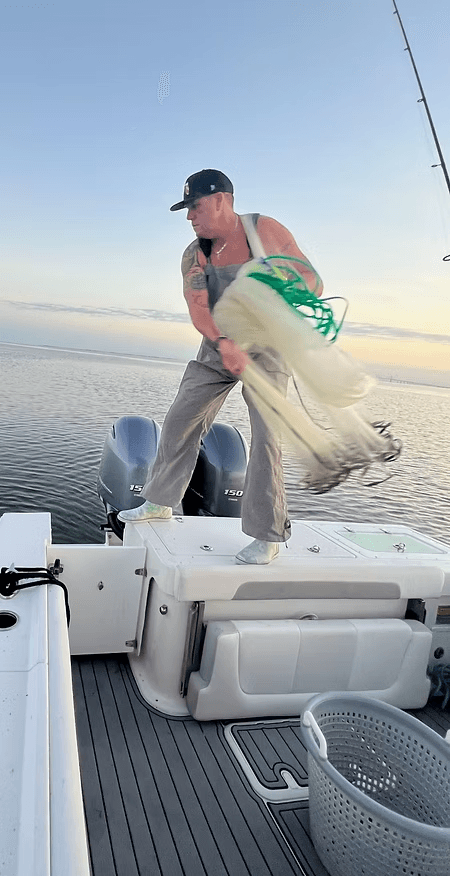
The Boat - 25ft Parker Centre Console with Twin Yamahas
2021 Parker 25′ centre console
Twin Yamaha outboards
Power Pole Move trolling motor
EPIRB emergency beacon
Deep-V hull
Six anglers maximum
Book a trip
Book a Snook Fishing Charter in Bradenton
Check availability
Nautical Native Fishing Adventures
801 Riverside Dr E, Bradenton, FL 34208
Free parking on site
We fish for snook around
